
The Art of Not Being, the history of graffiti from the 80s to the present day.
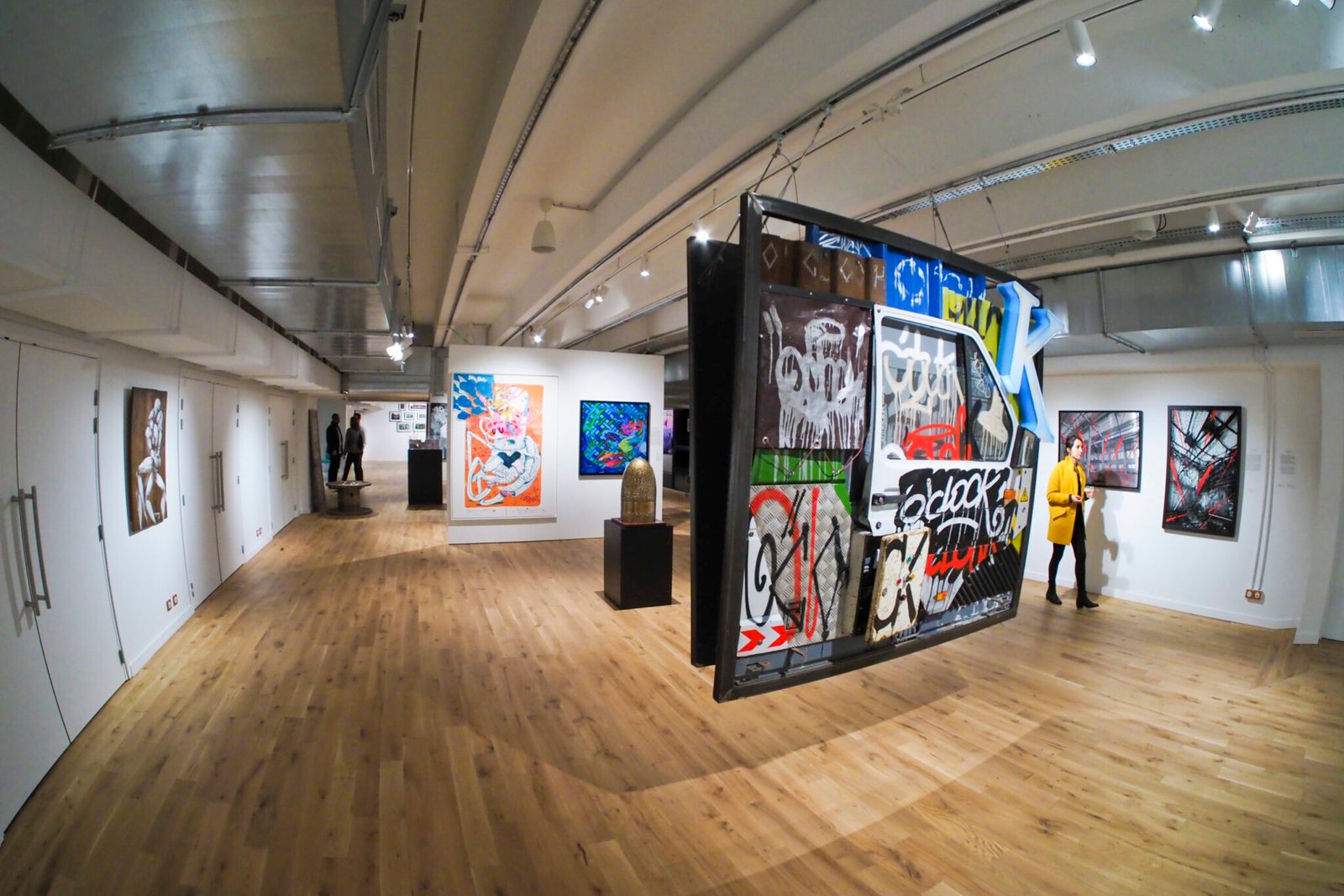
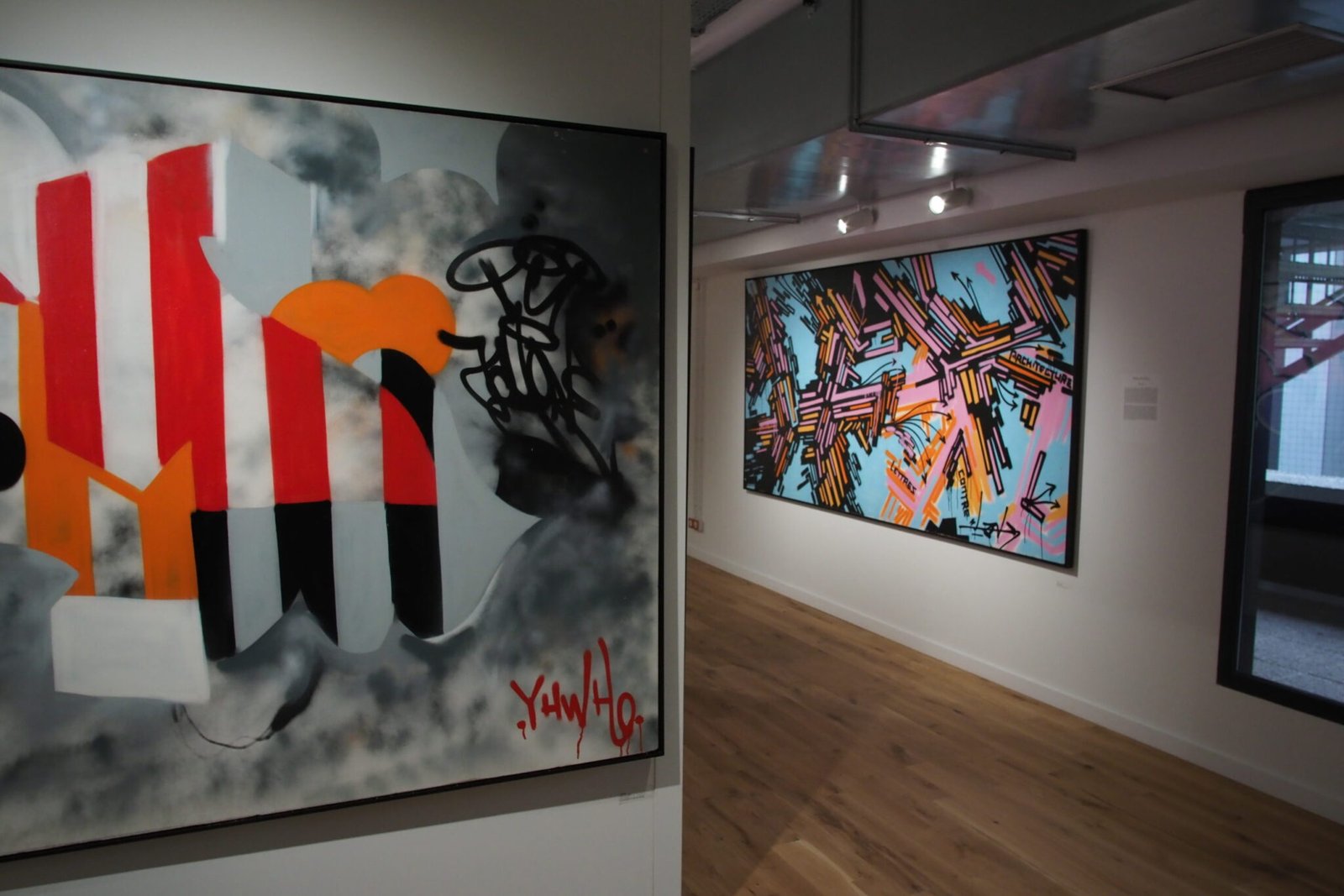
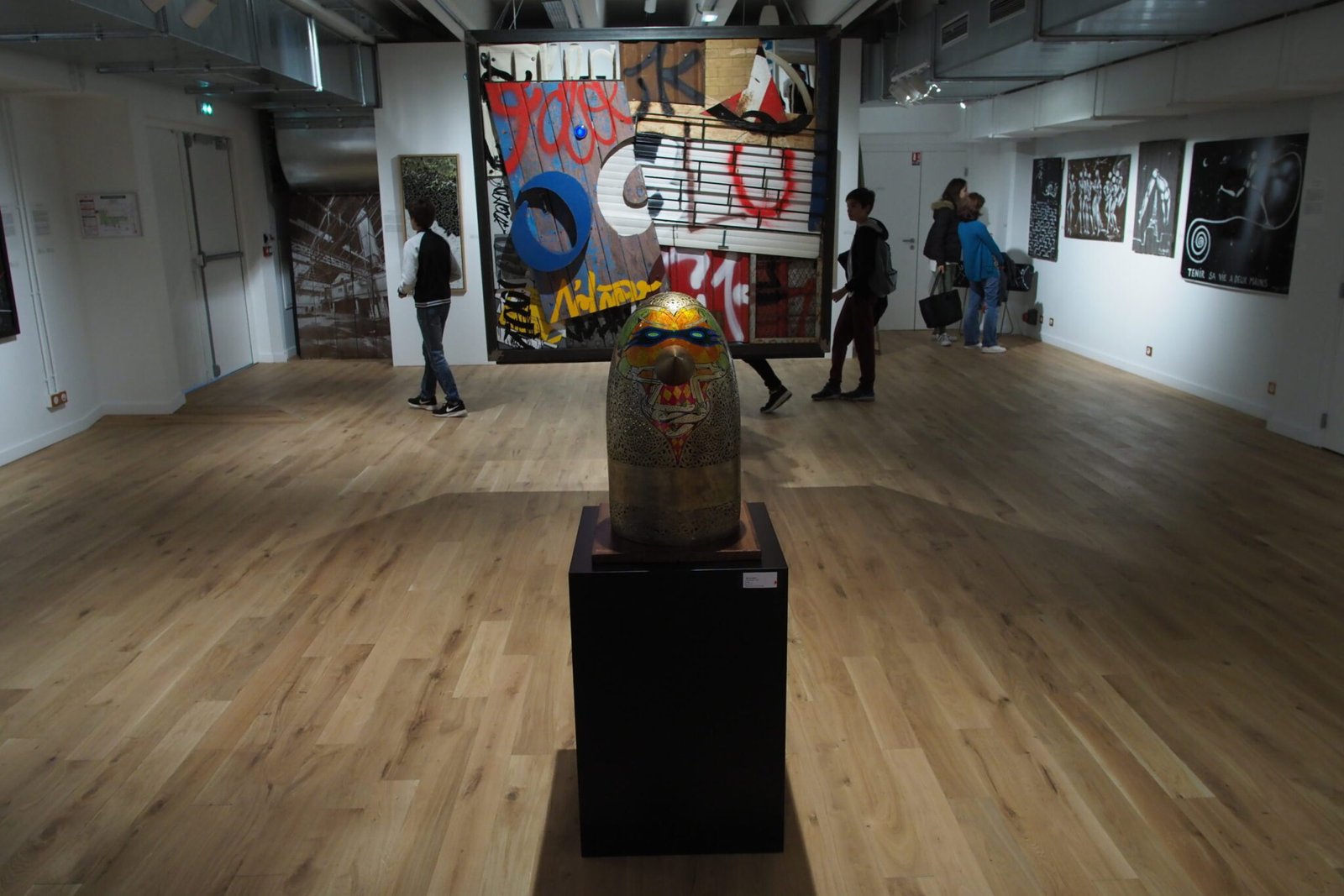
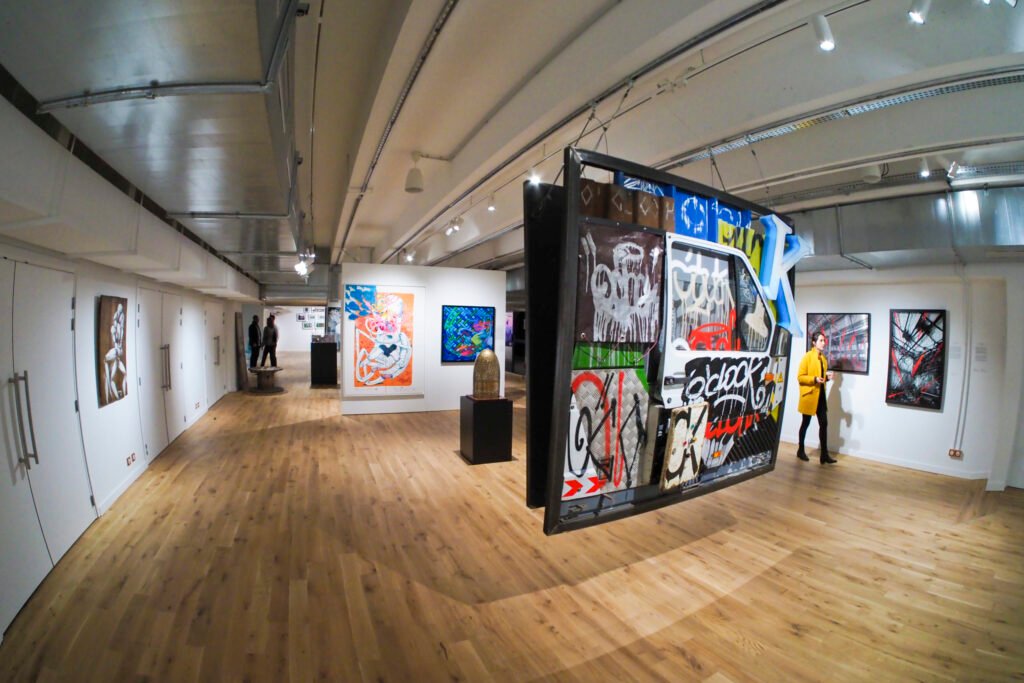
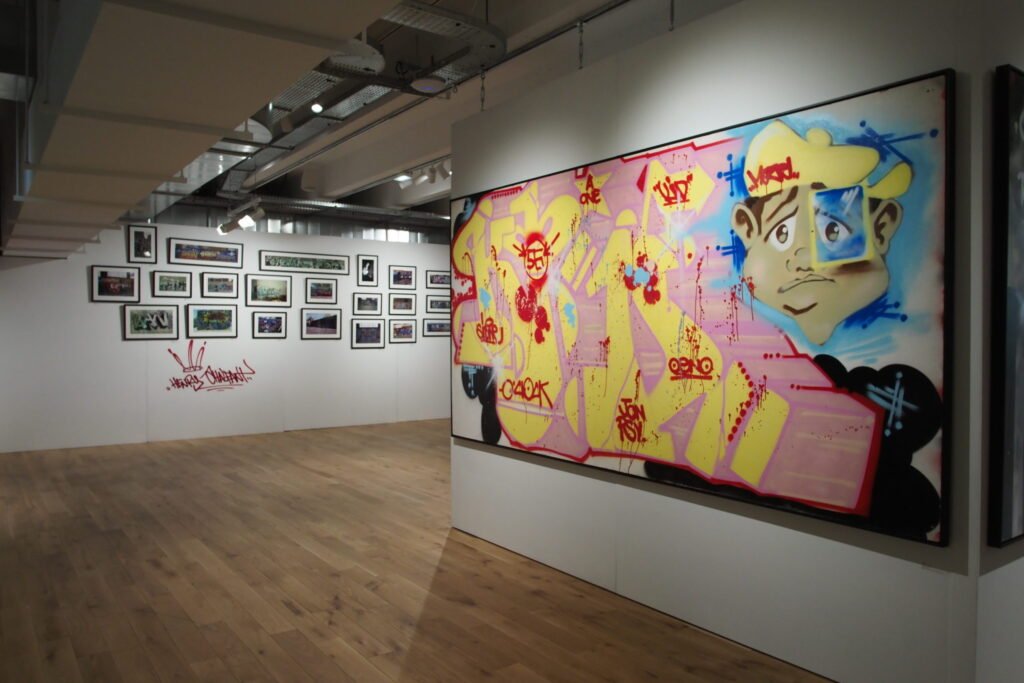
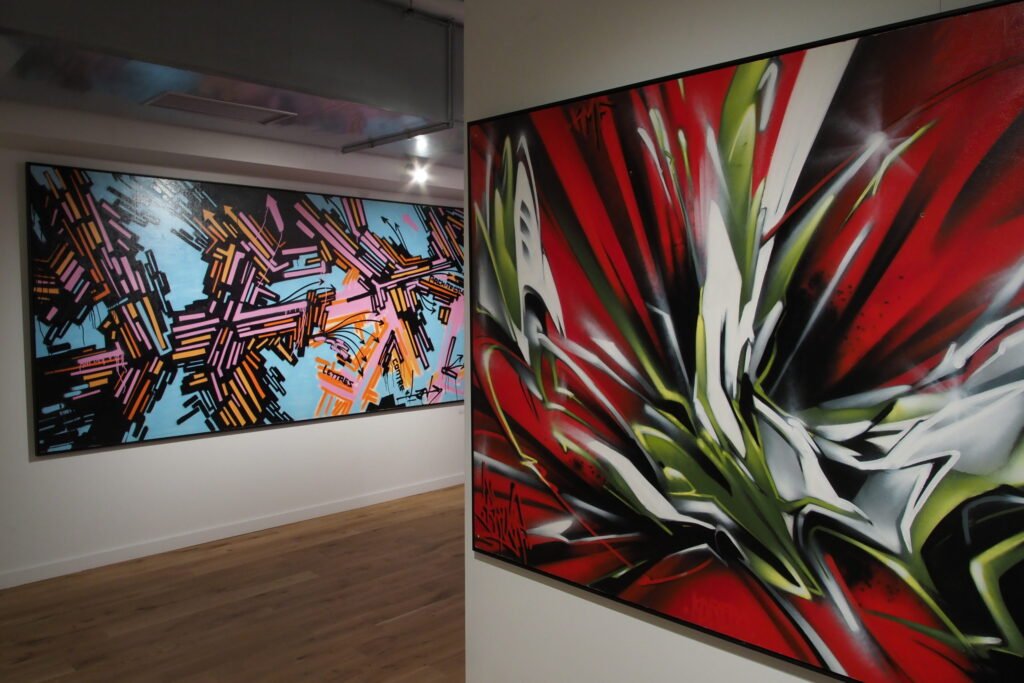
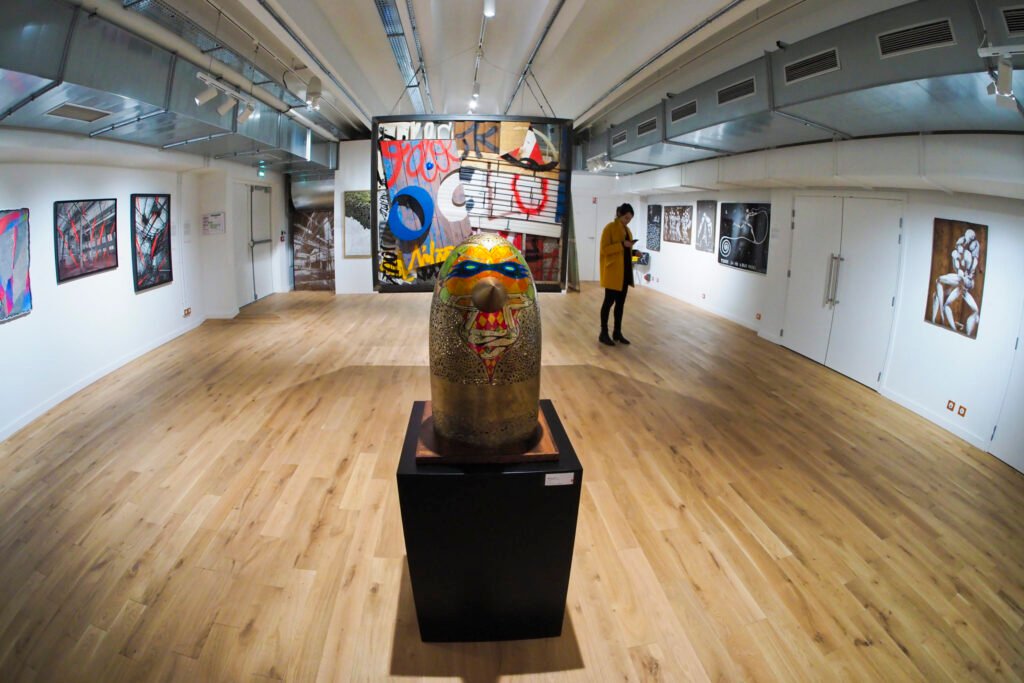
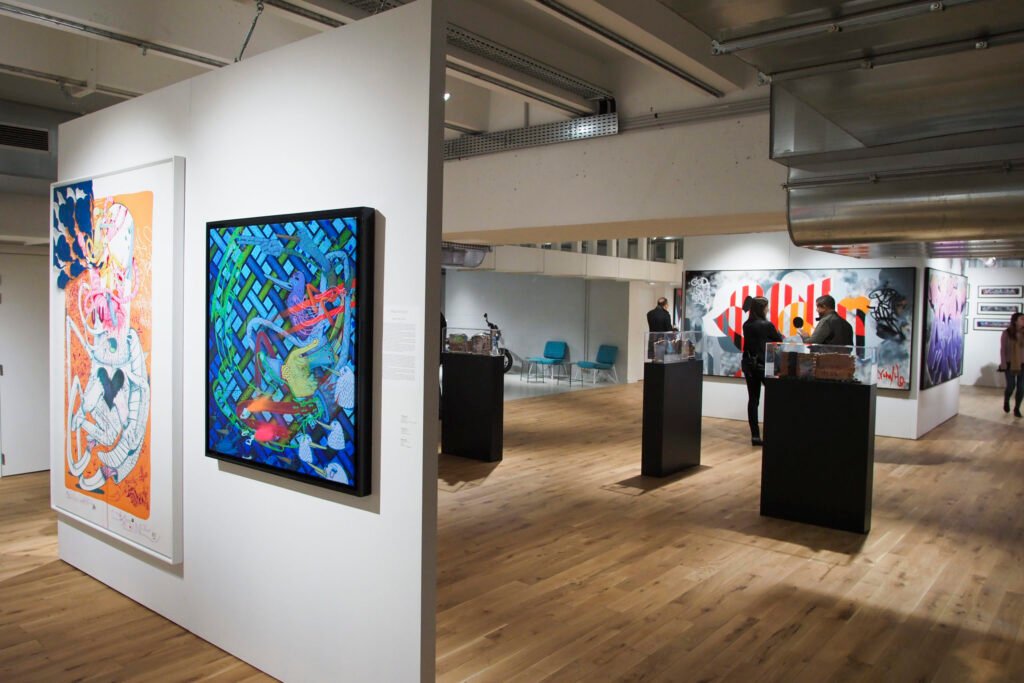
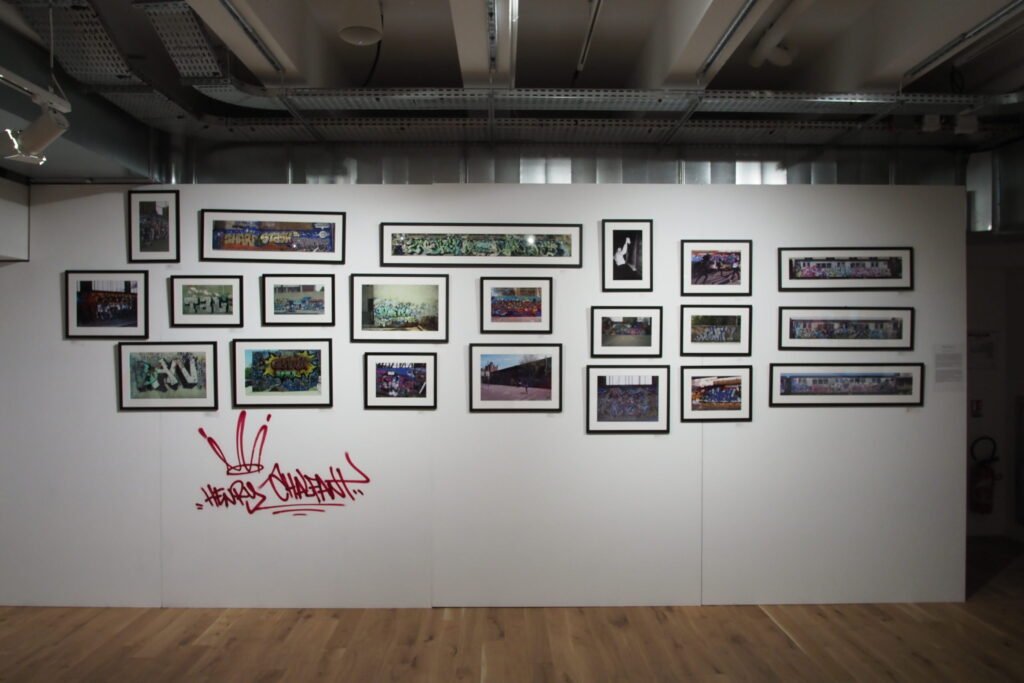
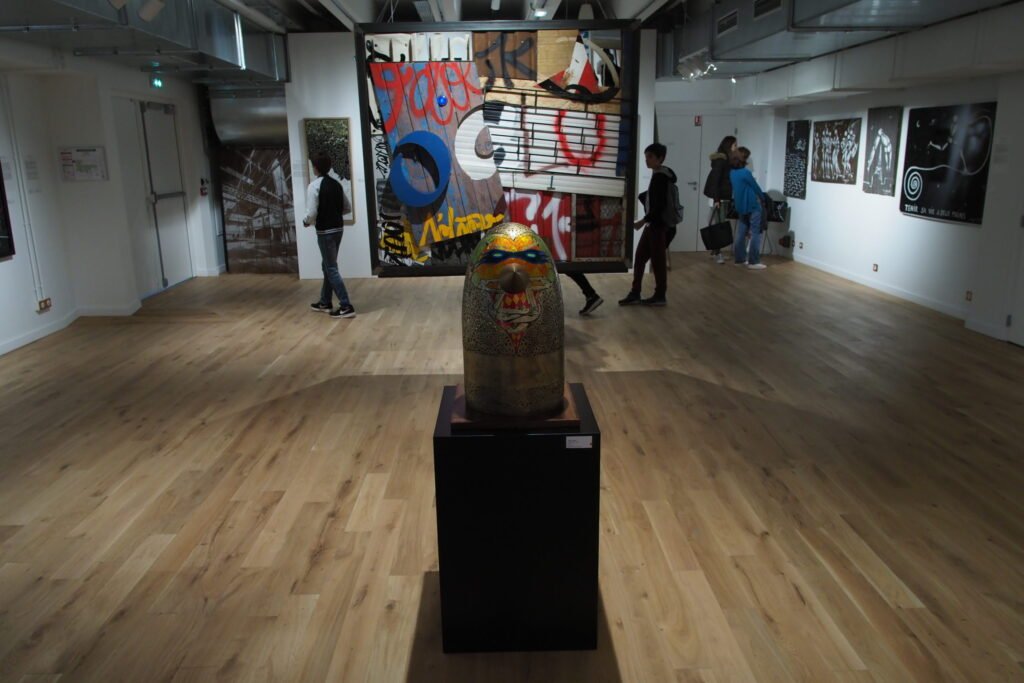
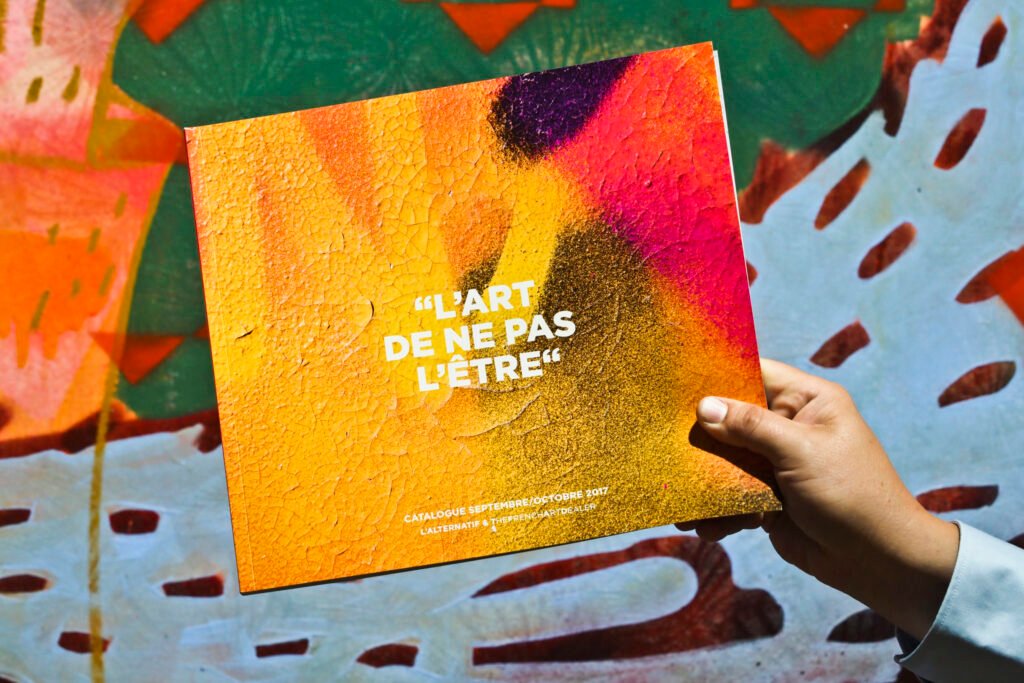
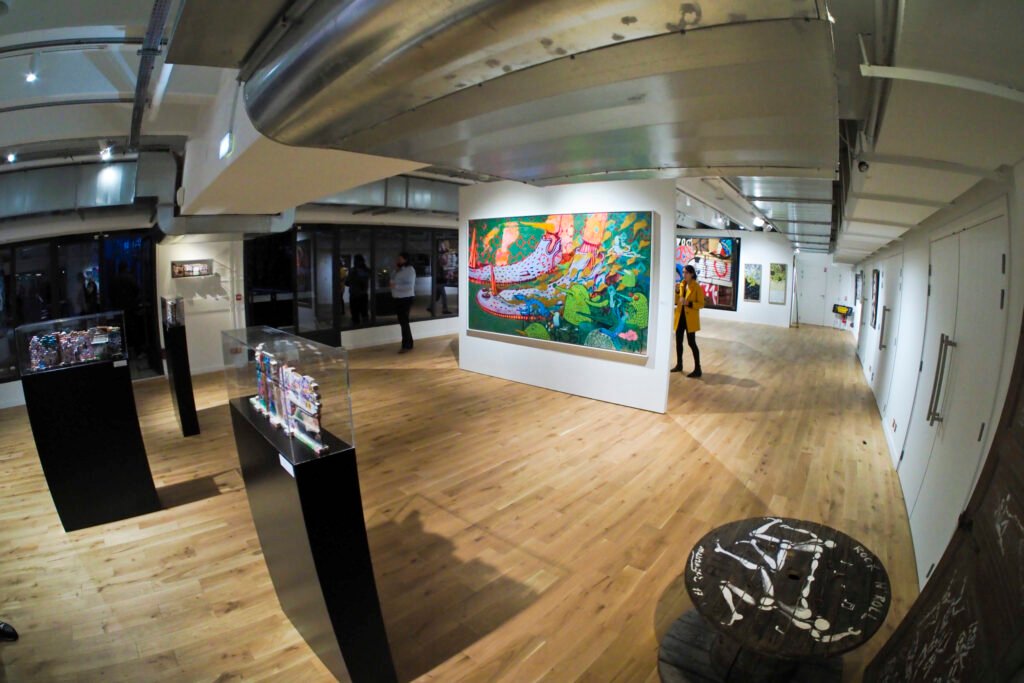
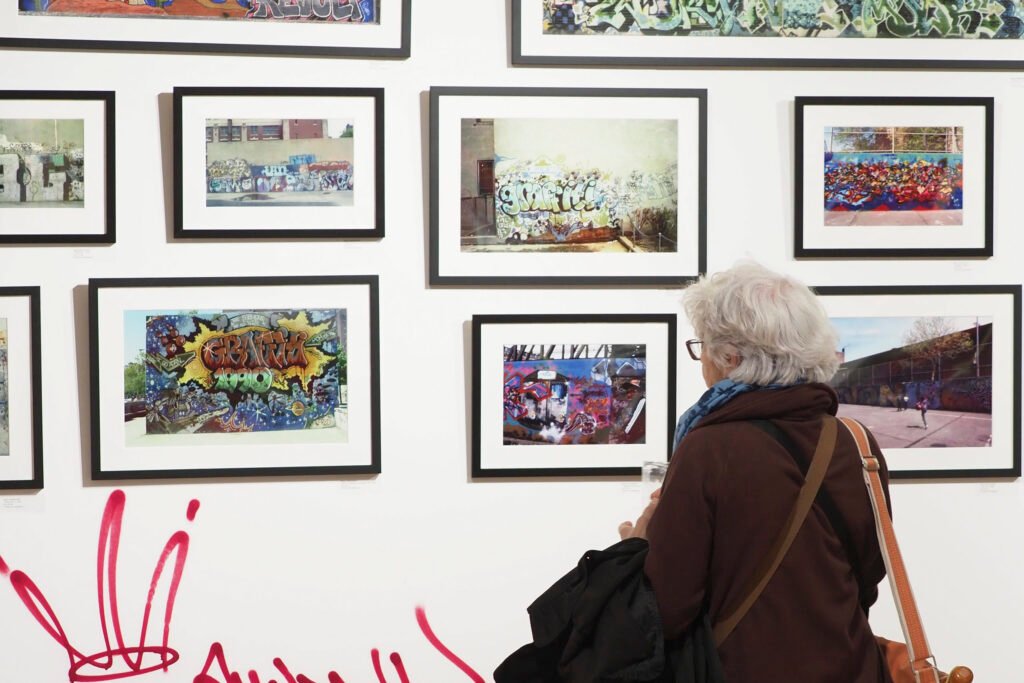
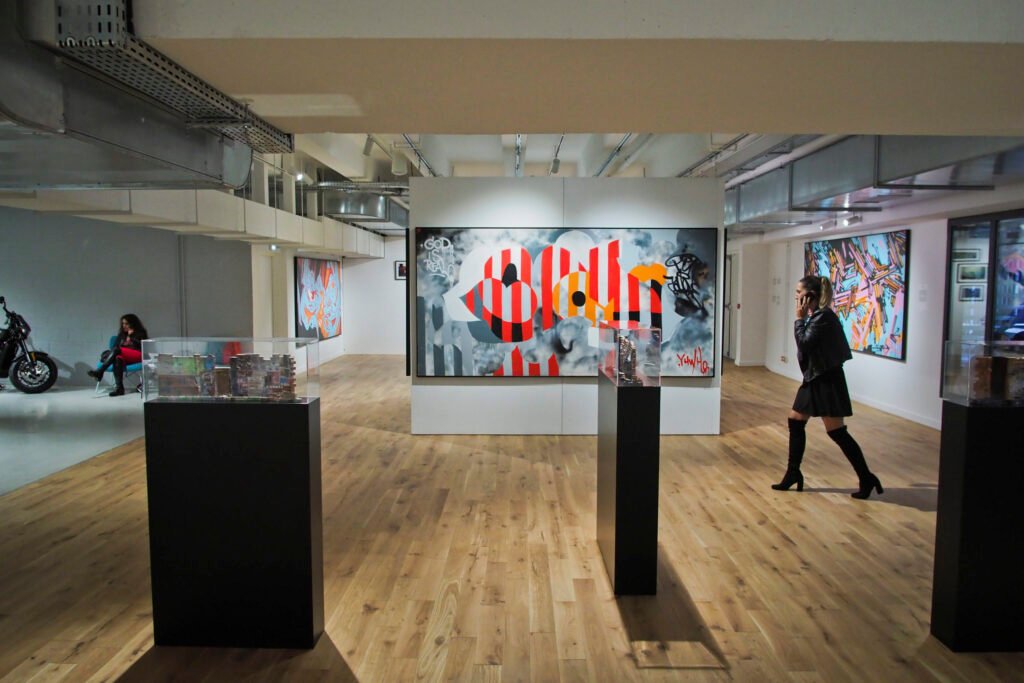
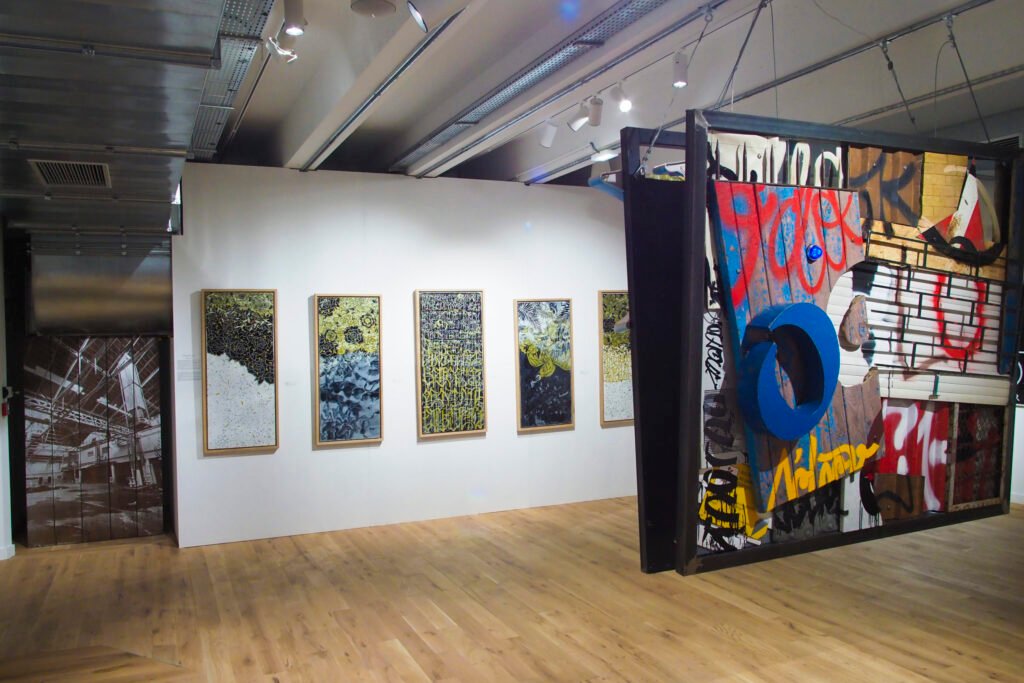
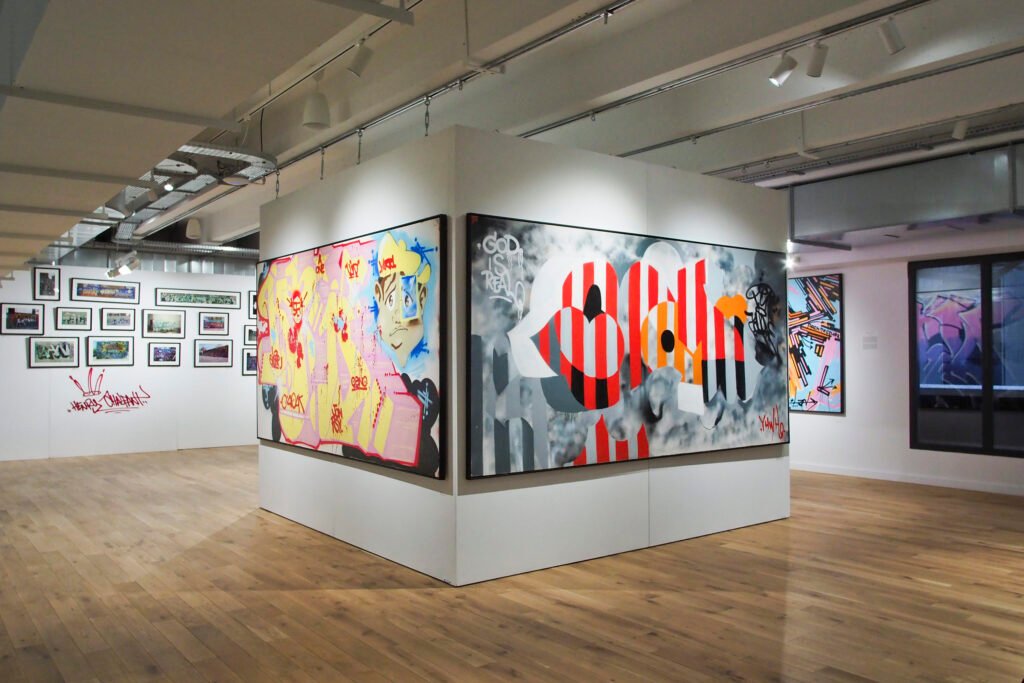
«The art of not being one,» an exhibition conceived and scenographed by Audrey Hatchikian, traces the evolution of graffiti and its media from the 1980s to the present day. The exhibition highlights its pioneers, notably through the unpublished photographs of Henry Chalfant. And for the first time, exclusively since their creation, the exhibition features the Writers Tours panels.
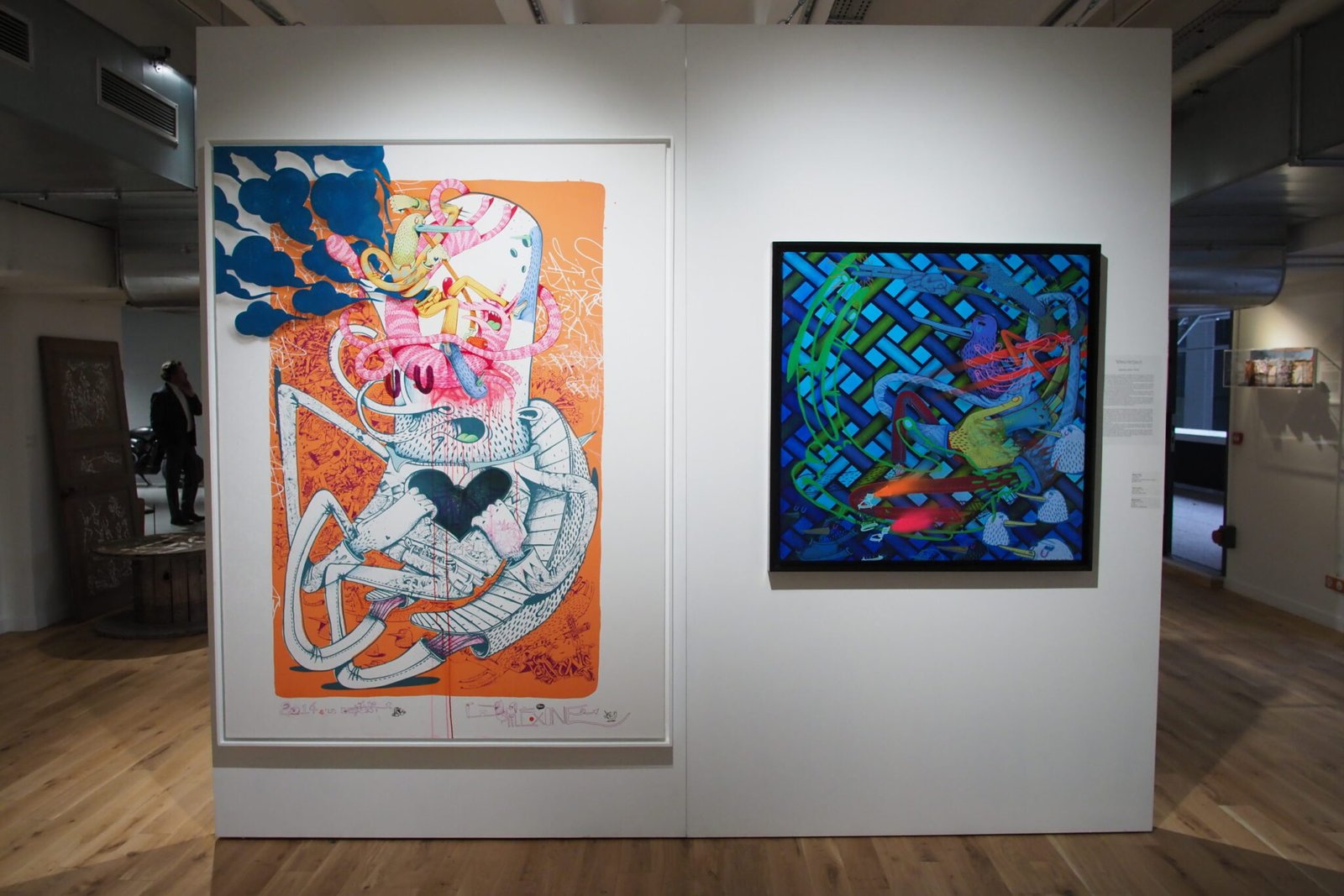
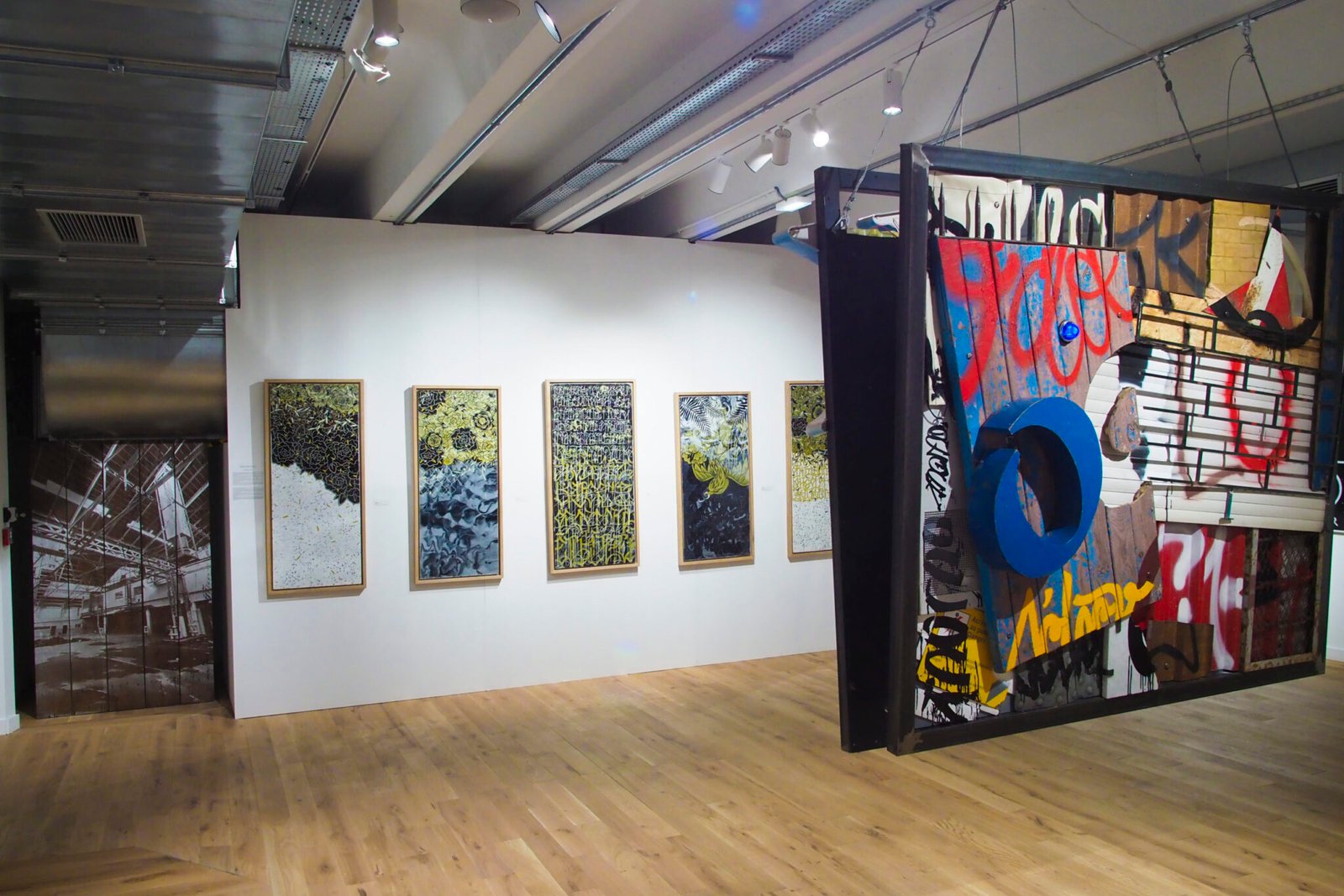
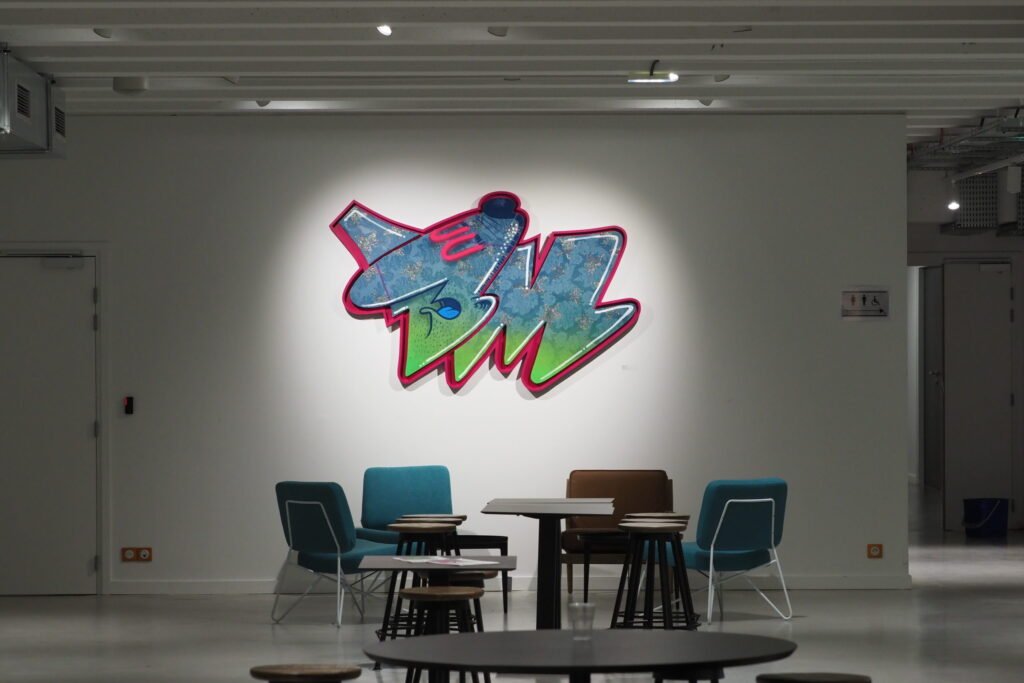
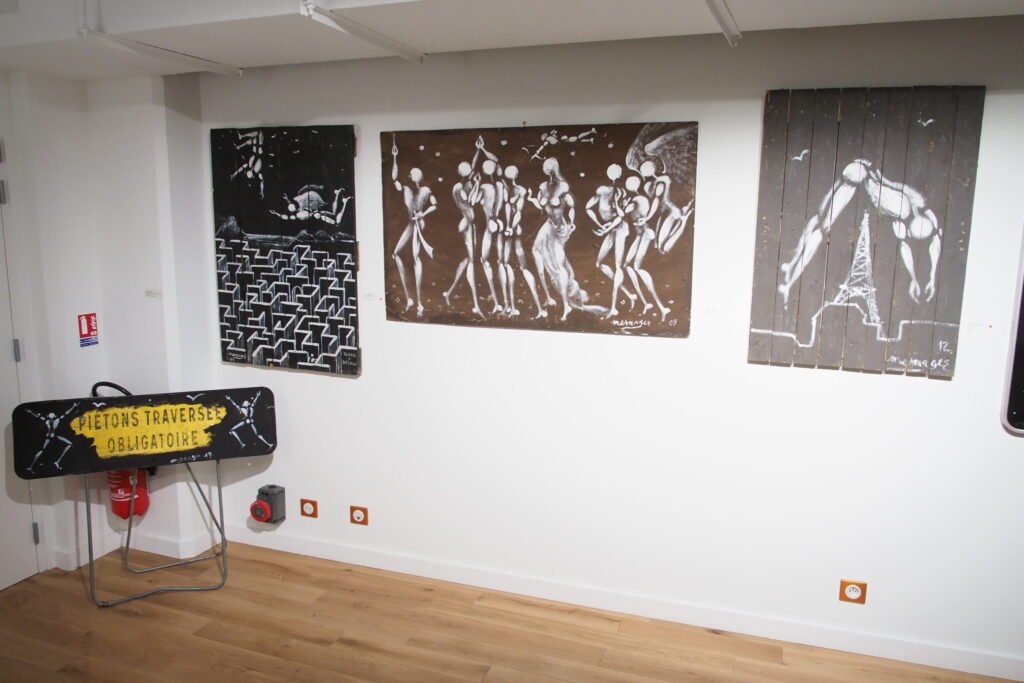
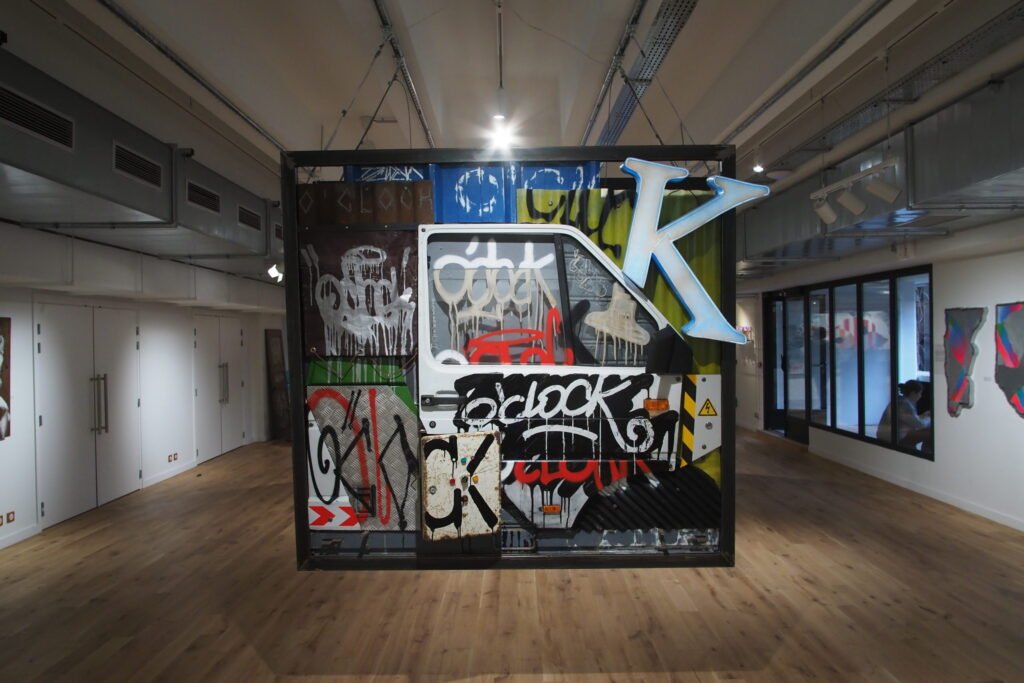
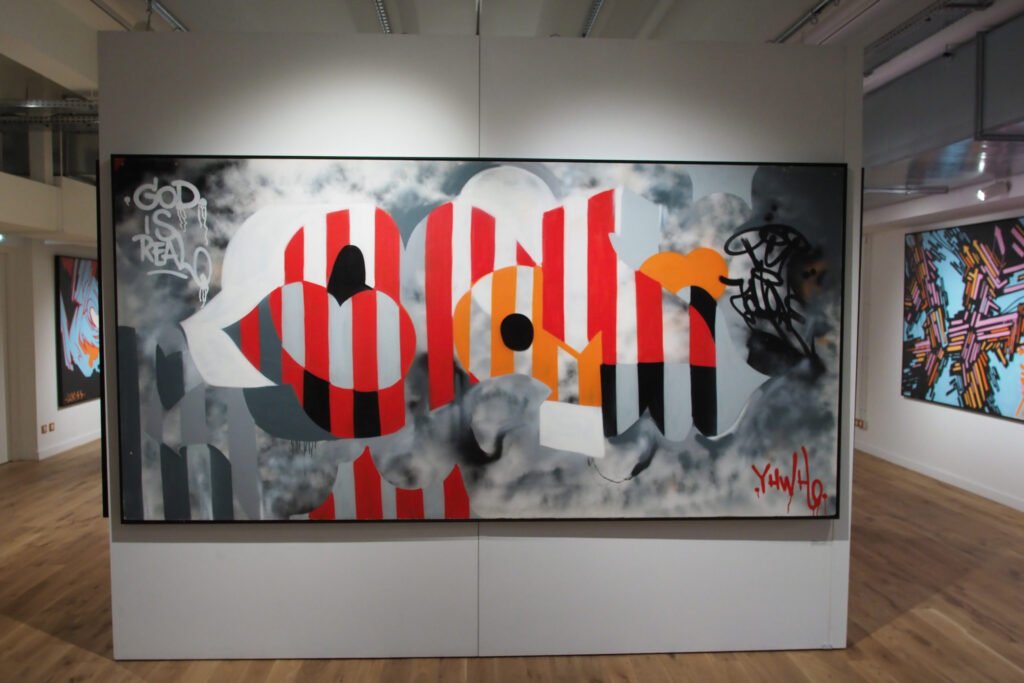
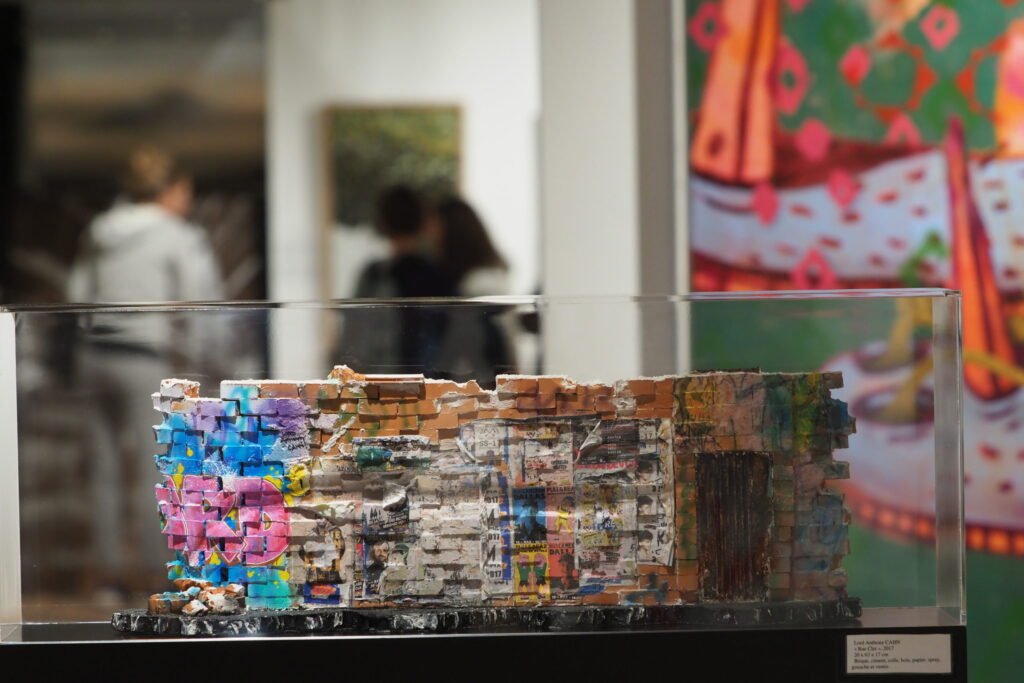
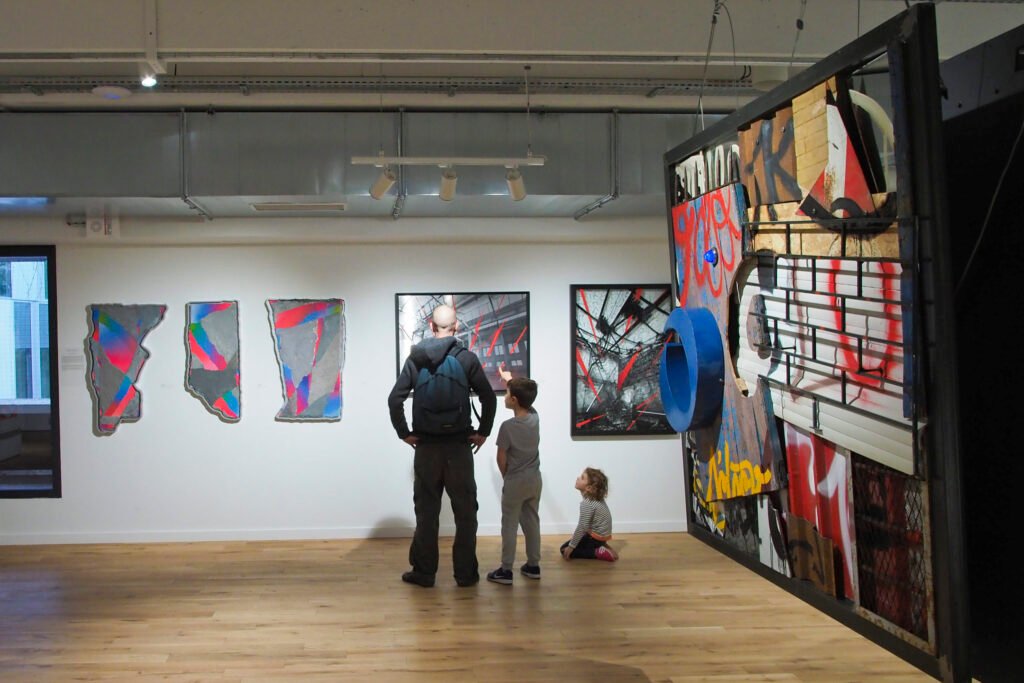
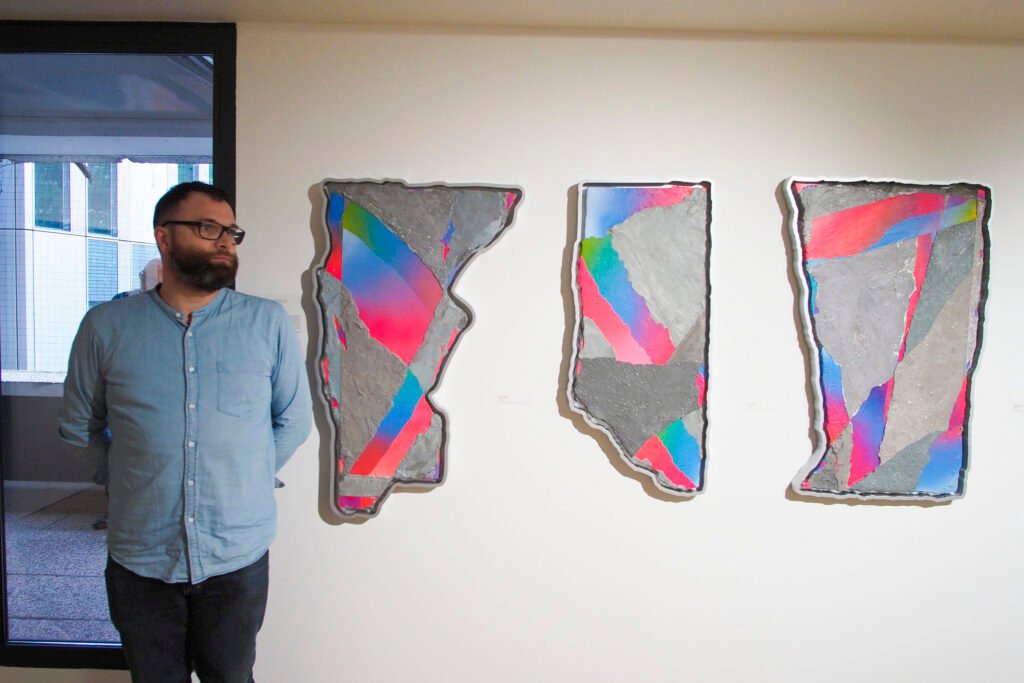
This exhibition also aims to highlight the diversity of the media used in the graffiti and street art movement, a key concept in defining contemporary art as it is manifested through the Graffiti movement. Artists such as Jérôme Mesnager with his works on wood, the pieces recovered from the metropolitan area of O’Clock, or the fabrics of Alexone Dizac are testament to this.
Graffiti and its supports in the history of art.
Art history highlights the importance of the medium in differentiating between contemporary art and modern art. Indeed, we could simply define contemporary art as that which exists in our own time. But what about Warhol and Basquiat (+1988), Rauschenberg (+2008), Zao Wou Ki (+2013) or Keith Haring? Another definition can also be used for contemporary art: that which transgresses the very notion of a work of art in its common understanding; that in which the canvas or the artist performing the work no longer impose themselves as a necessity. Jeff Koons, Damien Hirst or Xavier Veilhan are just some of the artists for whom the concept and the fabrication count more., in the end, That is the case with Jeff Koons’ famous Balloon Dogs, faithful reproductions of inflatable dogs, or Damien Hirst’s Treasures of the Past (recently exhibited in Venice), where the proposed pieces constitute a veritable illusion of the works of the time.
It is therefore this definition that we will use to characterize the way in which Graffiti has established itself as a contemporary art movement that is now indispensable.
Brief history of graffiti.
«Graffiti» is the generic term for drawings or inscriptions painted or drawn in various ways on a surface that was not intended for that use. Today, graffiti refers to street-art, is a contemporary artistic «movement» that brings together all forms of art created in the street, with permission, or on various common media in the artistic world. Is it therefore possible to How to distinguish graffiti from street art, given that one is illegal and the other is accepted?
The end of the Second World War and the birth of the «global village» brought a new dimension to art and to the «walls,» notably with the emergence of advertising and the popularization of art through Pop Art, symbolized by Andy Warhol and his silkscreens. Many artists have taken advantage of this medium to express themselves, both with the public and with the institutional art world.
Graffiti, for its part, has erected the wall., via Punk culture and then Hip-Hop, as a means of expressing a more political message; the notion of «art» itself is not the essence of it.
The importance of this movement – taken over by the commercial world – made it inevitable, prompting institutions to appropriate it. This contradiction between the anti-commercial nature of a movement with a «political» dimension and the traditional views of artistic institutions undoubtedly constituted the greatest obstacle to the recognition of Graffiti as an art form.
The freedom to express themselves and to hope that the work will be seen and appreciated by the greatest number inspired many artists who did not imagine integrating into the art world. The pleasure of using the city as a medium, the freedom to express themselves and the ease of the technique (acrylic, spray paint...) have enabled several young artists to make this fertile environment a school.
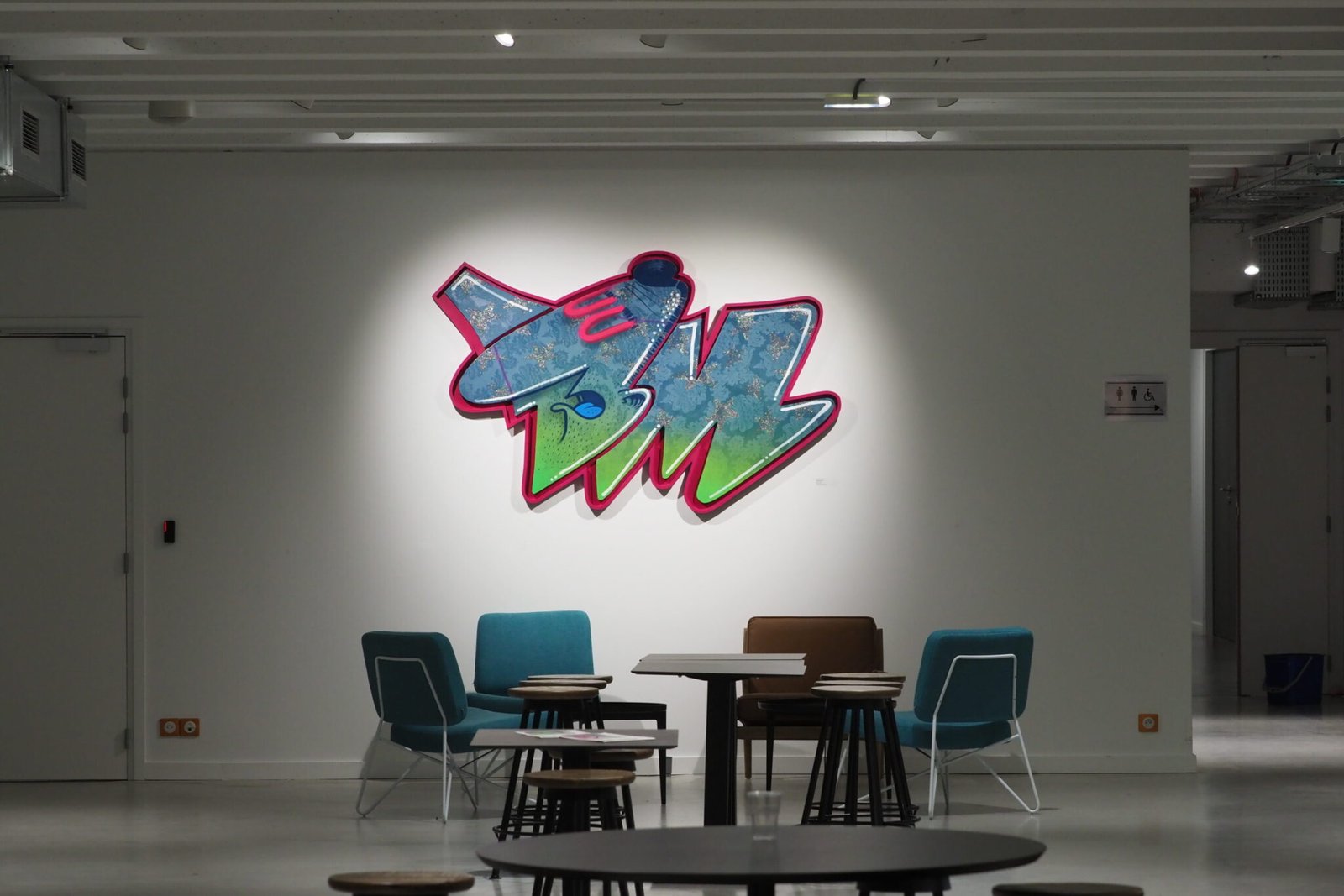
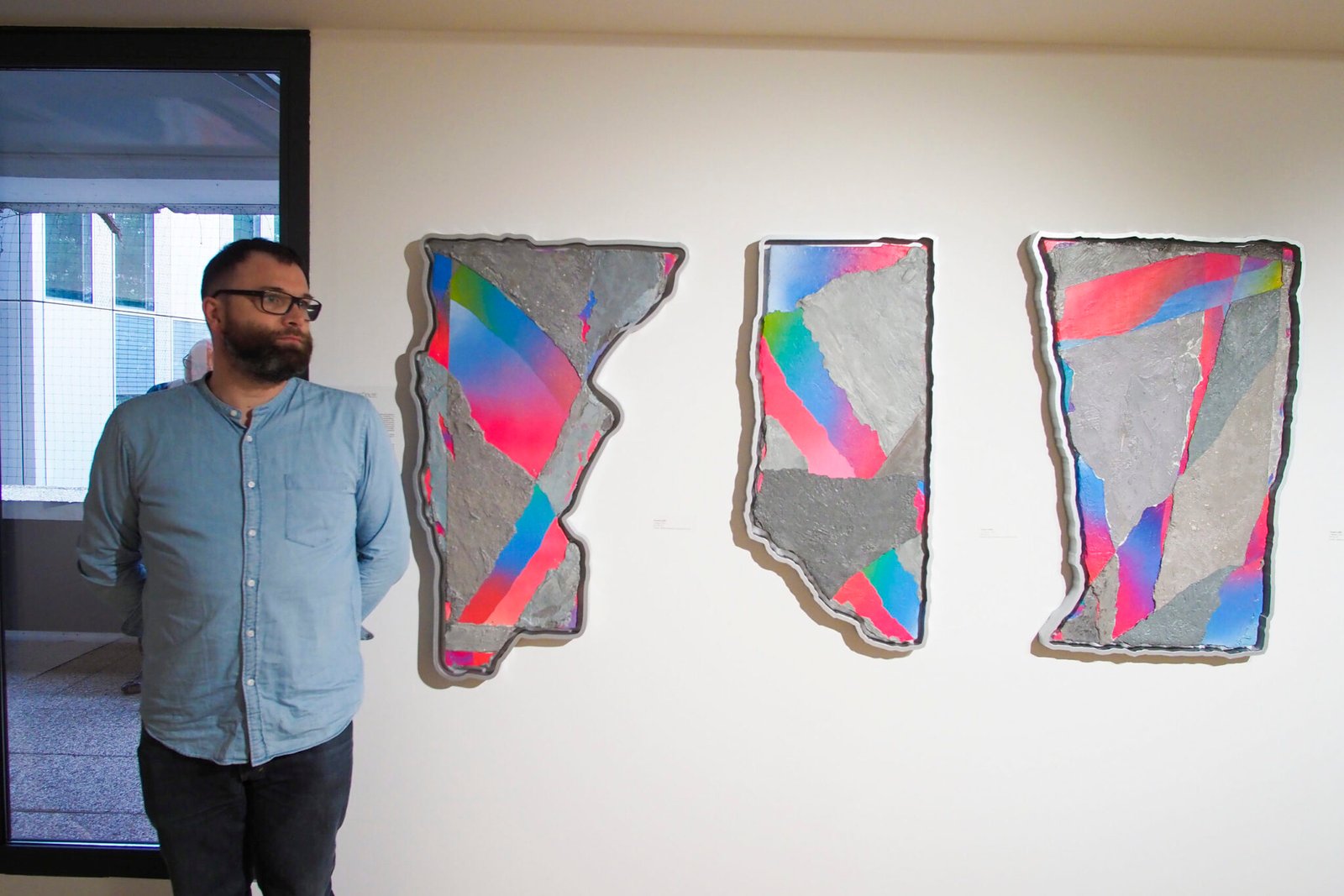
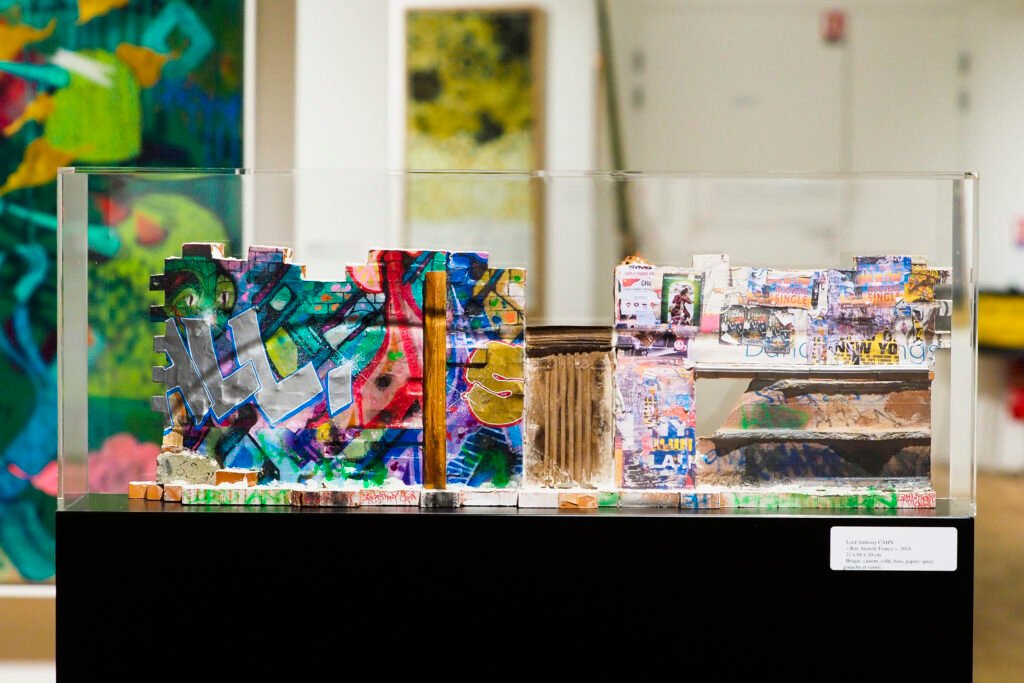
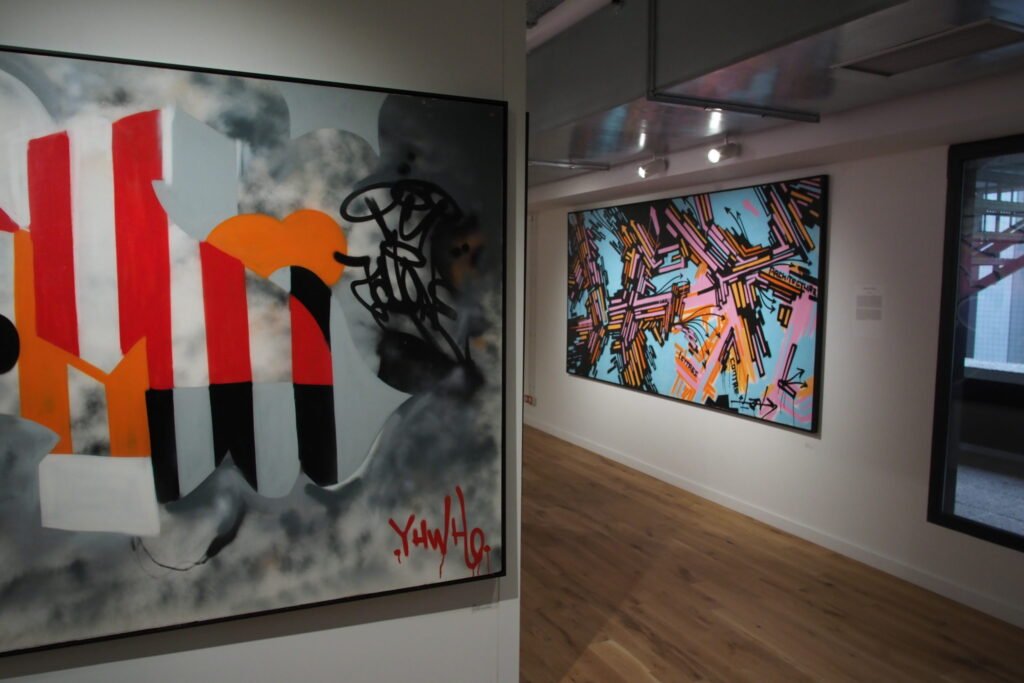
In order to make graffiti an artistic movement recognized by the market, it became essential to commercialize the works. In this perspective, artists had to replace the city walls with more conventional supports: canvases, jute, fabrics, wood, cement… Institutions such as the Cartier Foundation, Artcurial or the Musée de La Poste would then have the freedom to call this «new trend» Street Art or Urban Art, terms adopted by many commercial galleries.
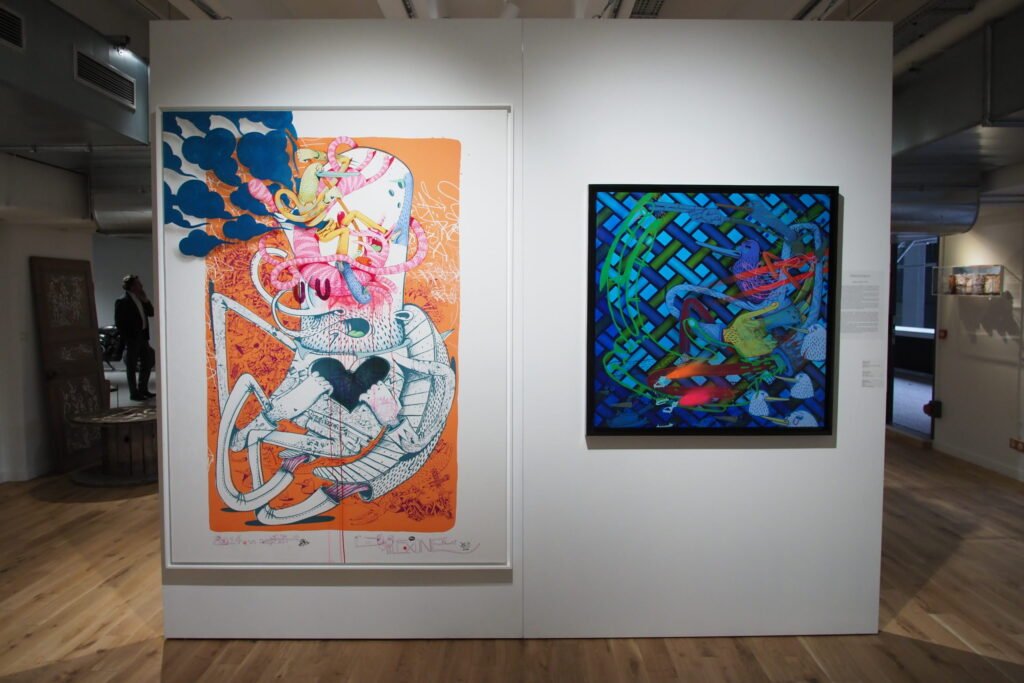
Our point is to show that today’s artists are not graffiti artists – and even less street artists – but contemporary artists who have evolved with their time, developed techniques and developed concepts resolutely «artistic». In this spirit, we present you with photographs from the Graffiti era – metro, train, walls… captured by Henry Chalfant; the panels created in 2004 during the Writers tour, they capture the evolution of a movement that seeks to be accepted within the circle of the art elite. Finally, works by today’s renowned artists, coming from this movement and working with several techniques on different media (wood, cement, fabrics…).
Our wish is that the quality of the works presented and their exceptional nature reveal the evolution of these artists through their medium and their thinking, essential elements of the recognition by the contemporary art community.
Image gallery